 Durba TV academic Website
Medical insurance is more than just a safety net—it’s a vital financial tool that protects your health and wallet. With rising medical costs, having medical insurance ensures you get quality care without draining your savings. Whether it’s emergency hospital visits, routine check-ups, or chronic disease management, medical insurance covers it all. It gives you access to a wide network of doctors, specialists, and hospitals, all while keeping your out-of-pocket expenses low.
Key Takeaways
- Financial Protection: Medical insurance helps cover high medical costs, preventing financial ruin from unexpected illnesses or injuries.
- Access to Quality Care: It gives you access to a broad network of hospitals, doctors, and specialists without worrying about affordability.
- Preventive Care Coverage: Many plans cover vaccinations, screenings, and annual check-ups at little or no cost, promoting early detection of health issues.
- Peace of Mind: Knowing you’re covered reduces stress about medical emergencies and helps you focus on recovery.
- Chronic Disease Management: Insurance supports long-term treatment for conditions like diabetes or heart disease with affordable medication and care.
- Family Security: A single plan can cover your whole family, ensuring everyone gets the care they need.
- Tax Benefits: In many countries, premiums paid for medical insurance are tax-deductible, offering additional savings.
📑 Table of Contents
- Introduction: Why Medical Insurance Matters More Than Ever
- 1. Financial Protection Against High Medical Costs
- 2. Access to a Wide Network of Healthcare Providers
- 3. Coverage for Preventive Care at Little or No Cost
- 4. Peace of Mind During Health Crises
- 5. Coverage for Chronic Disease Management
- 6. Coverage for Family Healthcare Needs
- 7. Coverage for Emergency and Urgent Care
- 8. Coverage for Mental Health and Substance Use Disorders
- 9. Coverage for Alternative and Complementary Therapies
- 10. Tax Benefits and Financial Incentives
- Conclusion: Why Medical Insurance Is Worth It
Introduction: Why Medical Insurance Matters More Than Ever
Imagine this: you wake up one morning with a high fever, chest pain, and shortness of breath. You rush to the hospital, only to be told you need immediate surgery. The doctor says it’s life-threatening—but the estimated cost is over $50,000. Now, imagine having medical insurance. That same emergency becomes manageable. Instead of facing financial disaster, you focus on getting better.
This scenario isn’t far-fetched—it’s a reality for millions. Medical costs in the U.S. and many countries are skyrocketing. A single night in the hospital can cost thousands. Without insurance, even routine treatments like dental work or vision care can become financial burdens. That’s why having medical insurance isn’t just smart—it’s essential. It’s not just about covering bills; it’s about protecting your health, your family, and your future.
In this article, we’ll explore the top 10 benefits of having medical insurance. From saving money to accessing better care, we’ll show you why medical insurance is one of the most important investments you can make. Whether you’re young and healthy or managing a chronic condition, understanding these benefits can help you make better decisions for your well-being.
1. Financial Protection Against High Medical Costs
Shielding Your Savings from Medical Bills
One of the most powerful benefits of medical insurance is financial protection. Medical emergencies don’t come with a warning, and when they do, the bills can be overwhelming. A broken bone might require surgery, imaging, and months of physical therapy. A heart attack could lead to a hospital stay, medications, and follow-up care—all costing tens of thousands of dollars.

Visual guide about Top 10 Benefits of Having Medical Insurance
Image source: i-bankonline.com
Without insurance, you might have to pay out of pocket. This can mean dipping into your savings, taking out loans, or even declaring bankruptcy. According to a 2022 report by the Kaiser Family Foundation, medical debt is one of the leading causes of bankruptcy in the U.S. But with medical insurance, your plan covers a large portion of these costs. Instead of facing ruin, you pay a manageable copay or coinsurance.
How Insurance Caps Your Out-of-Pocket Expenses
Most medical insurance plans have something called an out-of-pocket maximum. This is the most you’ll have to pay in a year for covered services, even if you have multiple hospital visits or surgeries. Once you hit that limit, the insurance covers 100% of additional costs. For example, if your plan has a $8,000 out-of-pocket max and you’ve already paid $7,500, the next $1,000 in care is free.
This cap gives you peace of mind. No matter how severe your illness or how long you’re in the hospital, you won’t be stuck with a debt that lasts for years. It’s like having a safety net that catches you when you fall.
Real-Life Example: The Power of Coverage
Sarah, a 34-year-old teacher, was diagnosed with appendicitis. She went to the emergency room and had surgery within hours. Without insurance, the bill would have been over $30,000. But with her medical insurance, she only paid $1,200—a fraction of the total cost. “I was terrified,” she says. “But my insurance made it possible for me to focus on healing, not the bill.”
This is the true value of medical insurance: it turns a financial crisis into a manageable situation.
2. Access to a Wide Network of Healthcare Providers
Choosing from Top Doctors and Specialists
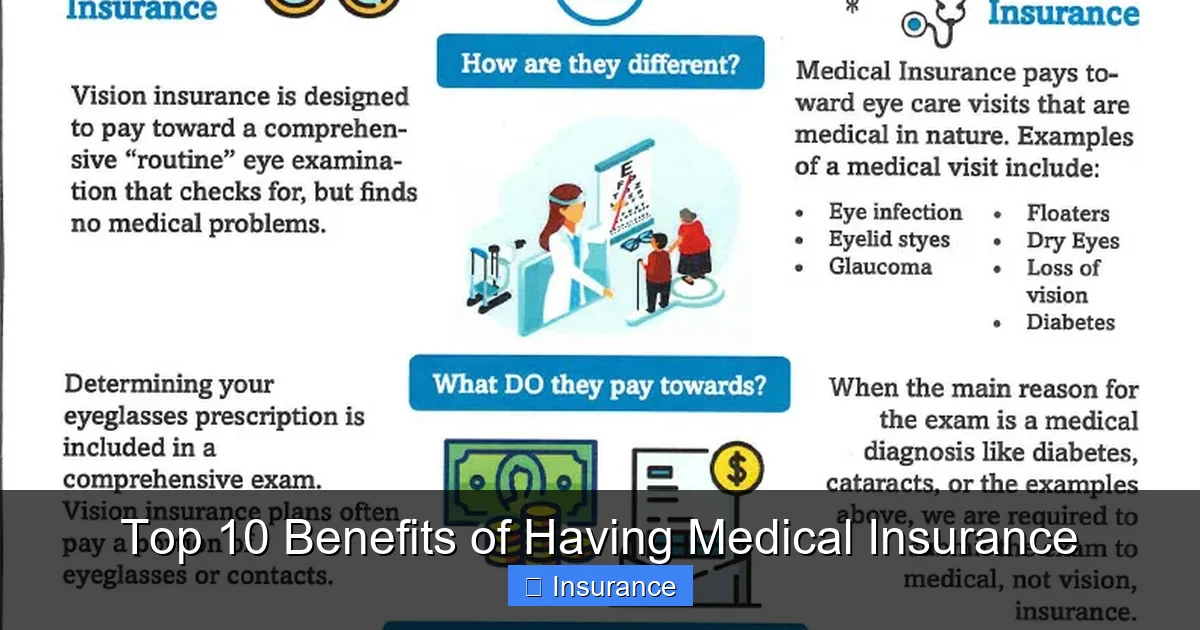
Having medical insurance means more than just coverage—it means access. Most plans come with a network of hospitals, clinics, and healthcare providers. These are doctors, specialists, and facilities that have agreed to accept your insurance in exchange for payment.
Visual guide about Top 10 Benefits of Having Medical Insurance
Image source: eyecareprofessionals.net
When you have insurance, you can choose from a wide range of care options. Need a cardiologist? A dermatologist? A pediatrician? Your insurance plan likely covers all of them. You’re not limited to one hospital or one doctor. This flexibility allows you to find the best care for your needs, not the cheapest or most convenient.
Why Network Matters: Quality and Cost
Insurance networks are carefully selected. Hospitals and doctors in your plan’s network often offer higher standards of care. They’re more likely to have modern equipment, experienced staff, and better patient outcomes. Plus, using in-network providers keeps your costs lower—sometimes by 20% or more compared to out-of-network care.
For example, if you need knee surgery, you can choose a top orthopedic surgeon in your network. You get expert care, and your insurance covers most of the bill. No need to travel far or pay extra for quality.
Tips for Using Your Network Wisely
- Always check if your doctor or hospital is in-network before scheduling.
- Ask your insurer for a list of preferred providers in your area.
- Use in-network urgent care centers for non-emergencies—they’re faster and cheaper than the ER.
3. Coverage for Preventive Care at Little or No Cost
Staying Healthy Before Problems Start
One of the best benefits of medical insurance is access to preventive care. This includes services like annual check-ups, flu shots, cancer screenings (like mammograms and colonoscopies), and vaccinations. Most insurance plans cover these at 100% with no copay or deductible.
Visual guide about Top 10 Benefits of Having Medical Insurance
Image source: lnginsurance.com
Why is this so important? Because catching health issues early can save your life—and your money. A routine mammogram might find breast cancer in its early stages, when treatment is less invasive and more effective. A cholesterol screening can detect heart disease risk before a heart attack occurs.
Preventive Care Saves More Than Just Health
By investing in preventive care now, you avoid expensive treatments later. For example, managing high blood pressure with lifestyle changes and medication can prevent a stroke. That one doctor’s visit and a few pills cost far less than a hospital stay for a stroke.
Insurance makes preventive care easy. You don’t have to worry about the cost—just make the appointment. Many plans even offer free wellness programs, like smoking cessation support or weight loss coaching.
Example: Early Detection Changes Everything
James, a 48-year-old construction worker, had a family history of colon cancer. His medical insurance covered a colonoscopy every five years at no cost. During his screening, doctors found precancerous polyps. They removed them during the same procedure. “If I hadn’t gotten screened, those polyps could have turned into cancer,” James says. “My insurance didn’t just cover the test—it saved my life.”
4. Peace of Mind During Health Crises
Reducing Anxiety About the Unknown
Health is unpredictable. One day you’re feeling fine, the next you’re in the emergency room. The fear of the unknown can be paralyzing. But with medical insurance, you don’t have to worry. You know that help is just a phone call away, and the cost won’t bankrupt you.
Peace of mind is a powerful benefit. When you’re sick, you want to focus on recovery—not whether you can afford treatment. Insurance lets you do that. You can call a doctor, go to the ER, or schedule surgery without panic.
How Insurance Supports Mental Health
Medical insurance often includes mental health services—therapy, counseling, and psychiatric care. With rising rates of anxiety, depression, and stress, this coverage is more important than ever. You can see a therapist without worrying about the cost, knowing your insurance will help pay.
This support reduces stigma and encourages people to seek help when they need it. Mental health is just as important as physical health, and insurance helps bridge that gap.
Real Talk: “I Was Afraid to Call a Doctor”
Maria, a single mother of two, avoided the doctor for years because she couldn’t afford it. “I thought I had to tough it out,” she says. “But when I got insurance, I finally made an appointment. Turns out, I had high blood pressure. It was treatable. Now I take meds and feel so much better. I’m not afraid anymore.”
5. Coverage for Chronic Disease Management
Ongoing Care for Long-Term Conditions
Chronic diseases like diabetes, asthma, hypertension, and arthritis are common. Managing them requires regular doctor visits, medications, lab tests, and sometimes specialists. Without insurance, these costs add up quickly.
Medical insurance helps cover the ongoing expenses of chronic care. You can get regular check-ups, refill prescriptions, and see specialists—all within your plan. This ensures you stay healthy and avoid complications that lead to hospitalizations.
Medication Coverage: A Game Changer
Many insurance plans include prescription drug coverage. For someone with diabetes, this might mean paying $20 for insulin instead of $200. For a heart patient, it could mean affordable blood pressure pills. This makes a huge difference in managing disease and improving quality of life.
Example: Managing Diabetes Made Easy
David, a 52-year-old office worker, has type 2 diabetes. His insurance covers his insulin, glucose monitors, and regular visits with his endocrinologist. “Without insurance, I’d have to choose between food and medicine,” he says. “Now, I can manage my condition and live normally.”
6. Coverage for Family Healthcare Needs
One Plan for the Whole Family
Medical insurance isn’t just for individuals. Most plans allow you to add family members—spouse and dependent children—under one policy. This means your whole family is protected from medical costs.
For example, if you have two kids, a spouse, and yourself, one plan can cover everyone. You pay one premium, and all medical needs are covered. This is especially helpful for young families who want to protect their children’s health.
Pediatric and Maternity Care Included
Many insurance plans include coverage for pediatric care—routine check-ups, vaccines, and sick visits for children. They also cover maternity and newborn care for expectant mothers. This means prenatal visits, delivery, and the first year of your baby’s life are often fully covered.
Cost Comparison: Family vs. Individual Plans
While family plans cost more than individual plans, they’re still more affordable than paying for each person separately. Plus, you get the same benefits: preventive care, emergency coverage, and specialist access for everyone.
7. Coverage for Emergency and Urgent Care
Immediate Help When You Need It Most
Accidents and sudden illnesses happen. A twisted ankle, a severe allergic reaction, or a heart attack—these require immediate attention. Emergency rooms are designed for these situations, but they’re expensive. Without insurance, a single ER visit can cost $1,500 or more.
With medical insurance, emergency care is covered at a high rate. You pay a copay or coinsurance, but the rest is handled by your plan. This makes life-saving care accessible and affordable.
Urgent Care vs. Emergency Room
Not all urgent situations require the ER. For example, a sprained wrist or a bad cold might be better treated at an urgent care center. These facilities are cheaper and faster than the ER, and most insurance plans cover them well. Always check your plan’s rules before going to the ER for non-life-threatening issues.
Example: A Night in the ER Saved
After eating undercooked chicken, 28-year-old Alex got food poisoning. He was dehydrated and vomiting. He went to the ER, where he was treated and released. The bill would have been over $2,000 without insurance. With his plan, he paid only $150. “I was so relieved,” he says. “I got the care I needed without the financial stress.”
8. Coverage for Mental Health and Substance Use Disorders
Breaking the Stigma with Insurance
Mental health is often overlooked, but it’s just as important as physical health. Medical insurance now includes coverage for mental health services. This means you can get therapy, counseling, and psychiatric care without high costs.
Many plans offer equal coverage for mental health as they do for physical health. This helps reduce stigma and encourages people to seek help. Whether it’s anxiety, depression, or substance use disorder, insurance makes treatment accessible.
Types of Covered Mental Health Services
- Individual and group therapy
- Crisis intervention and hotlines
- Medication management
- Substance use treatment programs
- Inpatient and outpatient rehab
Real Impact: “Therapy Changed My Life”
Sam, a college student, struggled with depression. “I didn’t want to go to therapy because I thought it was too expensive,” he says. “But with my insurance, each session only cost $30. It helped me understand my feelings and get better. I’m not alone anymore.”
9. Coverage for Alternative and Complementary Therapies
Beyond Traditional Medicine
Some medical insurance plans cover alternative therapies like acupuncture, chiropractic care, massage therapy, and naturopathy. While not all plans include these, many do, especially for chronic pain or stress management.
These therapies can be helpful for conditions like back pain, migraines, or anxiety. They’re often used alongside traditional treatments. With insurance coverage, you can explore these options without worrying about cost.
When Alternative Care Makes Sense
For example, someone with chronic lower back pain might benefit from chiropractic adjustments. A person with stress might find relief through acupuncture. These treatments can reduce reliance on painkillers and improve overall well-being.
Check Your Plan’s Coverage
Not all alternative therapies are covered. Always check your plan’s list of covered services. If a therapy isn’t listed, you can ask your insurer if it’s available as an add-on or if they’ll cover it under certain conditions.
10. Tax Benefits and Financial Incentives
Reducing Your Taxable Income
In many countries, including the U.S., medical insurance premiums are tax-deductible. This means you can lower your taxable income by the amount you pay in premiums. For example, if you pay $3,000 in premiums, you reduce your taxable income by $3,000.
This can lead to significant tax savings, especially for self-employed individuals or those with high medical expenses. Even small reductions in taxable income add up over time.
Health Savings Accounts (HSAs) and Flexible Spending Accounts (FSAs)
Some insurance plans work with HSAs or FSAs. These are accounts where you set aside pre-tax money to pay for medical expenses. You can use this money for copays, prescriptions, and other qualified costs. This saves you money because the funds are tax-free.
Example: $500 in Annual Tax Savings
If you’re self-employed and pay $6,000 in premiums, you can deduct that amount from your income. At a 22% tax rate, that’s a savings of $1,320. That’s real money back in your pocket—money you can use for other needs.
Conclusion: Why Medical Insurance Is Worth It
Medical insurance is more than a policy—it’s a lifeline. It protects your health, your savings, and your peace of mind. From covering emergency hospital bills to paying for a child’s vaccination, medical insurance makes healthcare accessible and affordable.
The top 10 benefits of having medical insurance—financial protection, access to care, preventive services, peace of mind, chronic disease support, family coverage, emergency care, mental health, alternative therapies, and tax benefits—show why it’s a smart investment. No matter your age, health status, or income, medical insurance is worth it.
Don’t wait until you’re sick or injured to get covered. Start researching plans today. Talk to a broker, compare options, and choose a plan that fits your needs. Your future self will thank you.
Frequently Asked Questions
What is medical insurance and why do I need it?
Medical insurance is a contract that pays for part or all of your medical expenses in exchange for regular payments called premiums. You need it because medical care is expensive, and without coverage, a single illness or injury could lead to financial ruin.
How does medical insurance help with costs?
It covers a large portion of medical bills, including hospital stays, doctor visits, prescriptions, and preventive care. Most plans also have an out-of-pocket maximum, so you won’t pay more than a set amount in a year.
Can I use medical insurance for mental health care?
Yes, most modern medical insurance plans cover mental health services like therapy, counseling, and psychiatric care. Many plans offer equal coverage for mental and physical health.
Is medical insurance worth it if I’m young and healthy?
Absolutely. Even young people can get sick or have accidents. Medical insurance gives you access to care and protects your savings. Plus, it covers preventive services at no extra cost.
Can I add my family to my medical insurance plan?
Yes, most plans allow you to include your spouse and children. This provides coverage for everyone in your household under one policy.
How do I find the right medical insurance plan?
Compare plans based on coverage, network, cost, and benefits. Consider your health needs, budget, and preferred doctors. You can use online marketplaces or talk to a licensed insurance broker for help.


