 Durba TV academic Website
Medical insurance is often required for visa applications, especially for long-term or work visas in countries like the U.S., Canada, and Schengen nations. While not every visa type mandates coverage, failing to provide proof can delay or reject your application. Understanding which countries require it and what type of plan qualifies is essential for a smooth process.
Key Takeaways
- Visa types matter: Short-term tourist visas rarely require medical insurance, but long-term or work visas often do.
- Country-specific rules: The U.S., Canada, Germany, and many Schengen countries have strict insurance requirements.
- Insurance must meet minimum coverage: Most countries demand plans with at least $30,000–$50,000 in medical coverage.
- Validity and duration: Your policy must cover the entire length of your intended stay.
- No insurance, no visa: Missing or invalid insurance can lead to denial or deportation.
- Digital proof is accepted: You can usually submit a digital copy during online applications.
- Check embassy websites: Always verify requirements directly with the consulate before applying.
📑 Table of Contents
- Is Medical Insurance Mandatory for Visa Applications?
- Why Medical Insurance Matters in Visa Applications
- Which Visa Types Require Medical Insurance?
- Country-Specific Medical Insurance Requirements
- What Type of Medical Insurance Is Accepted?
- How to Choose the Right Insurance Plan
- What Happens If You Don’t Have Insurance?
- Tips for a Smooth Visa Application Process
- Conclusion: Don’t Skip the Insurance Step
Is Medical Insurance Mandatory for Visa Applications?
Traveling abroad is an exciting journey—whether you’re visiting family, starting a new job overseas, or pursuing education in a foreign country. But before you pack your bags, there’s one crucial step: understanding visa requirements. One of the most common questions travelers ask is, “Is medical insurance mandatory for visa applications?” The answer isn’t a simple yes or no. It depends on the type of visa, the country you’re applying to, and how long you plan to stay.
In this comprehensive guide, we’ll walk you through everything you need to know about medical insurance and visa applications. From which countries require it to how to choose the right policy, we’ve got you covered. Whether you’re applying for a tourist visa, student visa, or work permit, knowing the insurance rules can save you time, money, and stress.
Why Medical Insurance Matters in Visa Applications
Visual guide about Is Medical Insurance Mandatory for Visa Applications
Image source: siasat.com
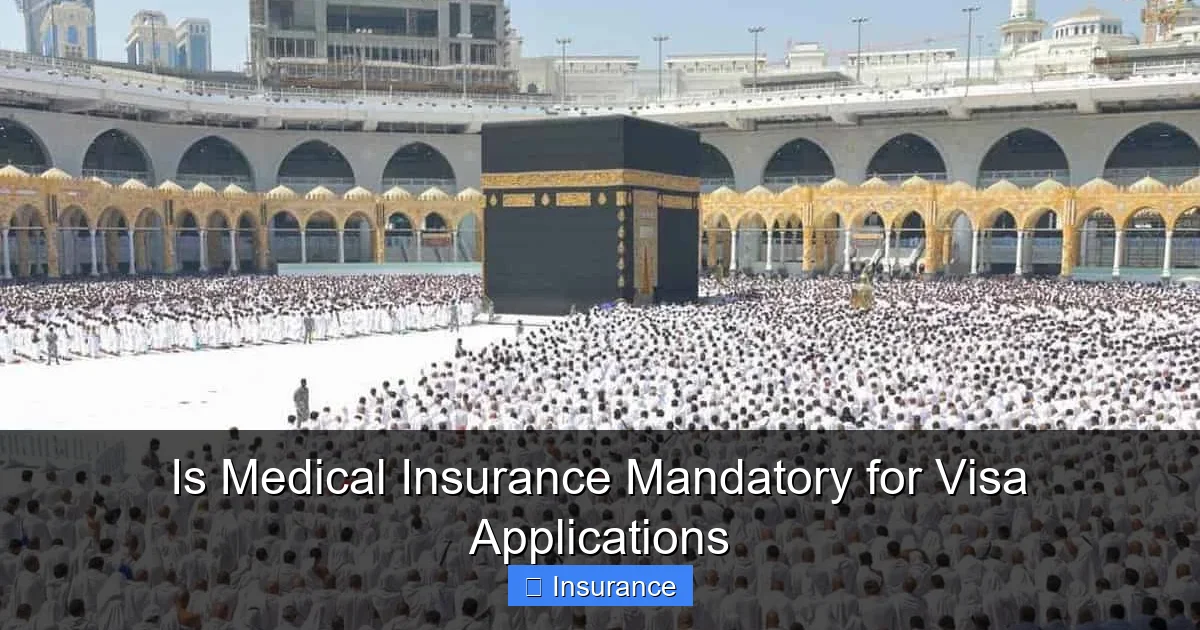
Medical emergencies don’t wait for the perfect moment—they happen when you least expect them. Imagine being hospitalized abroad with no way to pay the bill. That’s where travel medical insurance comes in. It covers medical expenses, emergency evacuations, and sometimes even trip cancellations. For visa officers, this isn’t just a formality; it’s a way to ensure that visitors won’t become a financial burden on the host country’s healthcare system.
Countries with universal healthcare systems—like Canada, the UK, or Germany—are particularly strict about requiring proof of medical insurance. They don’t want foreign visitors draining public resources. So, even if you’re just visiting for a few weeks, you might still need a valid plan.
Which Visa Types Require Medical Insurance?
Visual guide about Is Medical Insurance Mandatory for Visa Applications
Image source: thepoortraveler.net
Not all visas require medical insurance. The need depends on the purpose and duration of your stay. Here’s a breakdown:
1. Tourist and Short-Term Visas
For short trips—like sightseeing or visiting friends—most countries do not require medical insurance. For example, a tourist visa to the United States (B-2 visa) or Japan does not mandate insurance. However, it’s still highly recommended. If you get sick or injured during your trip, the cost of care can be overwhelming without coverage.
2. Student Visas
Students planning to study abroad usually need a visa with medical insurance. In the U.S., for instance, international students on F-1 visas must have health insurance that meets specific standards. Schools often require proof of coverage before enrollment. Similarly, Canada and Australia require student visas to include health insurance as part of the application.
3. Work and Employment Visas
If you’re moving abroad for work, insurance is almost always required. Countries like Germany, France, and the UAE mandate that foreign workers have comprehensive health coverage. Without it, your work visa could be denied. Employers sometimes provide insurance, but it’s wise to verify the plan’s coverage and confirm it meets the country’s standards.
4. Long-Term Residency and Permanent Visas
For those seeking permanent residency, medical insurance is typically required during the application process. Countries like New Zealand and Australia require applicants to undergo medical exams and show proof of health coverage. This ensures that future residents can access healthcare without relying on public funds.
Country-Specific Medical Insurance Requirements
Visual guide about Is Medical Insurance Mandatory for Visa Applications
Image source: thepoortraveler.net
Each country has its own rules. Let’s look at some of the most popular destinations:
United States
The U.S. does not require medical insurance for tourist visas. However, international students and exchange visitors must have health insurance that meets the Department of State’s standards. The policy must cover $50,000 per accident or illness and include repatriation benefits.
Canada
Canada requires medical insurance for most visitor visas, especially for stays longer than 6 months. The coverage must include at least $50,000 CAD in emergency medical costs. Students and workers also need to show proof of health insurance as part of their application.
Schengen Area (Europe)
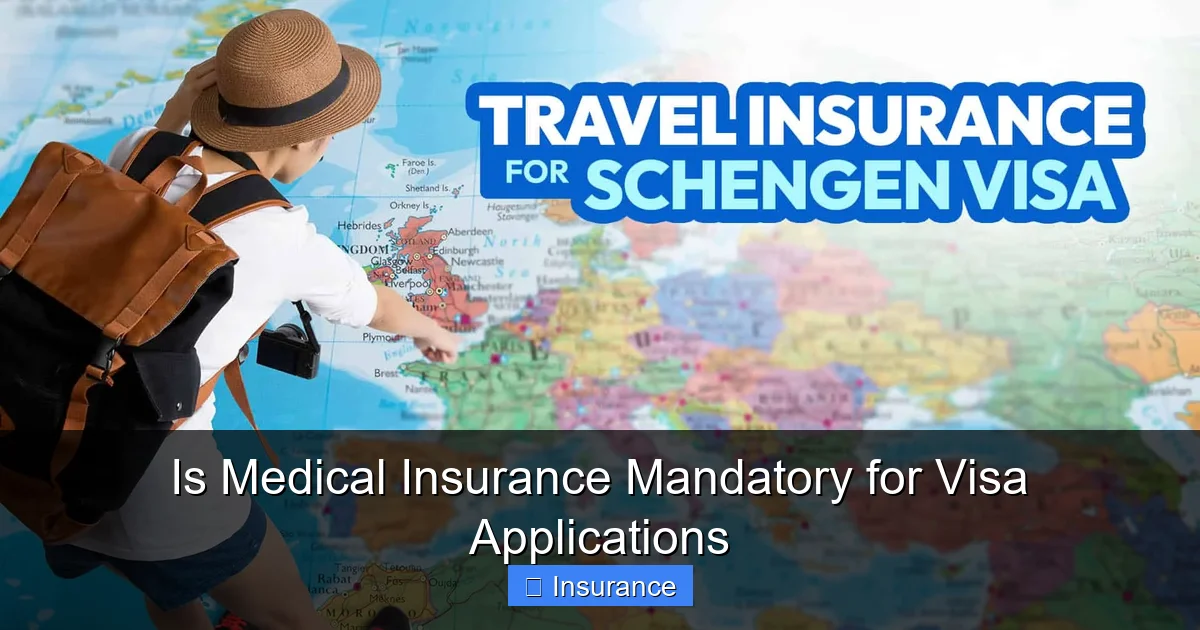
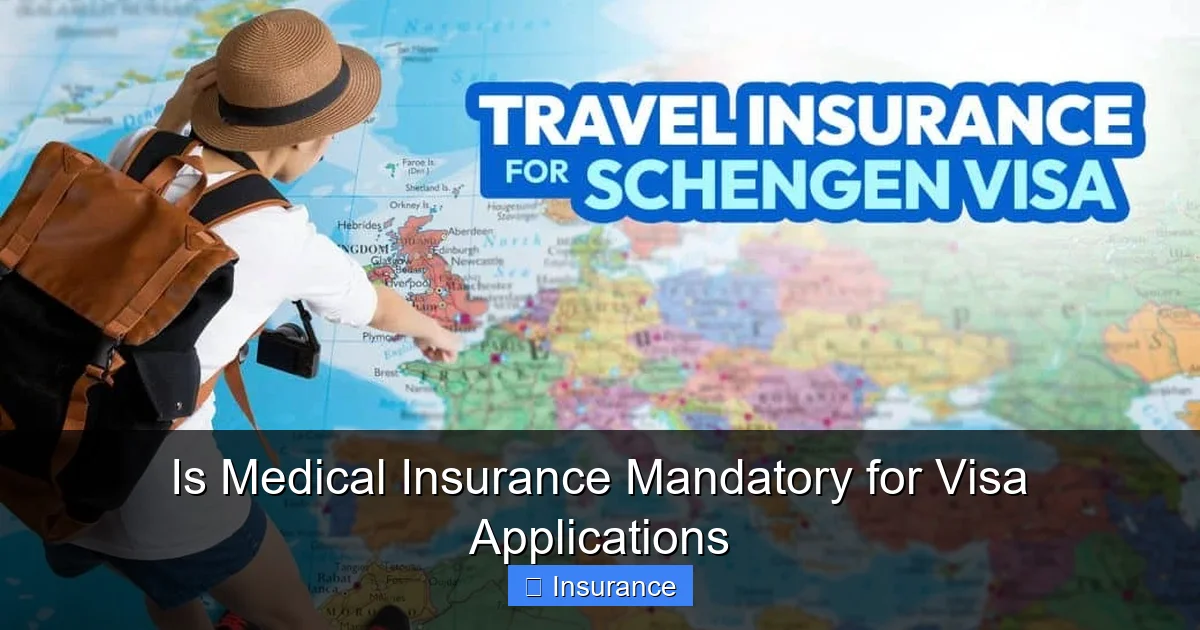
All Schengen countries require travelers to have medical insurance that covers at least €30,000 (about $33,000 USD) for emergency medical treatment. The policy must be valid for the entire duration of your stay and cover the country you’re visiting. This is a hard requirement—without it, your visa application will be rejected.
Australia and New Zealand
Both countries require visitors to have Overseas Student Health Cover (OSHC) or a comparable plan. For other visas, insurance must cover at least AUD $50,000 (~$33,000 USD) in medical expenses. Without it, your visa application may be refused.
United Arab Emirates
For work visas, medical insurance is mandatory and usually provided by the employer. For tourist visas, it’s not required, but travel insurance is strongly advised.
What Type of Medical Insurance Is Accepted?
Not all insurance plans qualify. Visa officers look for policies that meet specific criteria:
Minimum Coverage Amount
Most countries require at least $30,000–$50,000 in medical coverage. Some, like the U.S. for student visas, require up to $100,000.
Validity Period
Your policy must cover the entire length of your intended stay. If you’re staying for 90 days, the insurance must be valid for those 90 days—no gaps allowed.
Geographic Coverage
The plan must cover the country you’re visiting. For example, if you’re going to Germany, the insurance must be valid there.
Emergency Evacuation and Repatriation
Many countries require coverage for emergency medical evacuation and returning your body home in case of death. This is especially important for long-term stays.
No Pre-Existing Condition Exclusions
Some plans exclude coverage for pre-existing conditions. For visa purposes, it’s best to choose a plan that covers such conditions, especially if you have a chronic illness.
How to Choose the Right Insurance Plan
Choosing the right medical insurance for your visa application can feel overwhelming. Here are some tips to help you make the best choice:
Check the Country’s Official Website
Start with the embassy or consulate’s website. They often have a list of accepted insurance providers or minimum coverage requirements. For example, the U.S. Department of State has a detailed guide for student visa insurance.
Compare Plans Online
Use comparison websites to find policies that meet the requirements. Look for plans that offer international coverage, emergency evacuation, and 24/7 support.
Read the Fine Print
Make sure the policy covers the entire duration of your stay and includes all required benefits. Avoid plans with high deductibles or limited coverage areas.
Buy Early
Don’t wait until the last minute. Some policies take a few days to activate, and you’ll need proof of coverage when submitting your visa application.
Get a Digital Copy
Most embassies accept digital copies of your insurance certificate. Keep it handy during the application process.
What Happens If You Don’t Have Insurance?
Failing to provide valid medical insurance can have serious consequences:
Visa Rejection
Many countries will deny your visa application if you can’t prove you have adequate health coverage. For example, Schengen countries reject thousands of applications each year due to missing insurance.
Entry Denied at the Border
Even if your visa is approved, immigration officers may refuse entry if you don’t have insurance. This can lead to deportation and a ban on future travel.
Financial Risk
Without insurance, a single medical emergency can cost tens of thousands of dollars. In countries like the U.S., a hospital stay can easily exceed $100,000.
Legal Issues
In some countries, having no insurance while staying long-term is illegal. You could face fines or legal action.
Tips for a Smooth Visa Application Process
To avoid delays or rejections, follow these best practices:
Start Early
Begin your visa application process at least 2–3 months in advance. This gives you time to research insurance and gather documents.
Double-Check Requirements
Every country and visa type has different rules. Verify the insurance requirements on the official government website.
Use a Reputable Insurance Provider
Choose a provider with international coverage and positive reviews. Companies like World Nomads, SafetyWing, and Allianz are popular choices.
Keep Records
Save your insurance certificate, policy number, and contact information. You may need to show it to immigration officers.
Understand the Difference Between Travel Insurance and Medical Insurance
Travel insurance often includes medical coverage, but not always. Make sure your plan meets visa requirements. For example, some travel insurance policies exclude pre-existing conditions or don’t cover long-term stays.
Conclusion: Don’t Skip the Insurance Step
So, is medical insurance mandatory for visa applications? The short answer is: it depends. For short-term tourist visas, it’s usually not required—but it’s still a smart move. For long-term stays, work visas, or student visas, it’s often a hard requirement.
Failing to meet insurance requirements can lead to visa denial, entry refusal, or even legal trouble. On the other hand, having the right plan shows responsibility and preparedness. It also gives you peace of mind while traveling.
Before you apply for your visa, take the time to research the insurance rules for your destination. Compare plans, read the fine print, and make sure your coverage is valid for the entire duration of your stay. With the right insurance in hand, your visa application will be one step closer to approval.
Remember: a little preparation now can save you from big problems later. Whether you’re heading to Europe, Canada, or the U.S., medical insurance isn’t just a formality—it’s your safety net abroad.
Frequently Asked Questions
Is medical insurance required for a tourist visa?
No, most countries do not require medical insurance for short-term tourist visas. However, it’s highly recommended to have travel medical coverage in case of emergencies. Some countries, like Canada and Germany, may require it for longer stays.
What type of insurance is accepted for a student visa?
For student visas, insurance must meet specific country standards. In the U.S., for example, students need a plan covering at least $50,000 per accident or illness. Australia requires Overseas Student Health Cover (OSHC). The policy must be valid for the entire course duration.
Can I use my home country’s health insurance for a visa?
It depends. Some countries accept reciprocal health agreements, but many require a local or international plan. For example, the Schengen Area does not accept home country insurance. Always check with the embassy to confirm what’s accepted.
How much medical coverage is typically required?
Most countries require at least $30,000–$50,000 in medical coverage. The U.S. student visa requires $50,000, while Canada and Australia require $50,000 CAD or AUD. Some plans must also include emergency evacuation and repatriation.
What happens if my visa is denied due to lack of insurance?
If your visa is denied because you didn’t provide valid medical insurance, you’ll need to reapply with the correct documents. This can delay your travel plans. In some cases, you may need to purchase a new policy and resubmit.
Is digital proof of insurance accepted?
Yes, most embassies accept digital copies of your insurance certificate. Save it as a PDF and keep it accessible during the application process. Print a copy just in case.


