 Durba TV academic Website
Medical insurance can be expensive, but smart strategies can help you save thousands each year. By comparing plans, understanding subsidies, and using cost-saving tools, you can lower your premiums without sacrificing coverage. With the right approach, affordable healthcare is within reach for everyone.
Key Takeaways
- Compare Plans Annually: Insurance markets change yearly. Reviewing options during open enrollment or a special enrollment period ensures you get the best rate for your needs.
- Use Government Subsidies: If your income is between 100–400% of the federal poverty level, you may qualify for premium tax credits on the Affordable Care Act (ACA) marketplace.
- Choose a Higher Deductible: Opting for a lower premium plan with a higher deductible can save you money upfront, especially if you rarely visit the doctor.
- Join a Health Savings Account (HSA): An HSA lets you set aside pre-tax dollars to pay for medical expenses, reducing your taxable income and growing savings over time.
- Shop for In-Network Providers: Staying within your insurance network avoids surprise bills and keeps out-of-pocket costs low.
- Consider Short-Term or Catastrophic Plans: These are cheaper alternatives for healthy individuals or those who qualify for exemptions from the individual mandate.
- Bundle Insurance Policies: Bundling health, auto, and home insurance with one provider often results in significant discounts.
📑 Table of Contents
- How to Save Money on Medical Insurance Premiums
- Understanding Medical Insurance Premiums
- Compare Plans During Open Enrollment
- Take Advantage of Government Subsidies
- Choose the Right Plan Type for Your Needs
- Use a Health Savings Account (HSA)
- Shop for In-Network Providers
- Bundle Insurance Policies
- Maintain a Healthy Lifestyle
- Review Your Coverage Annually
- Conclusion
How to Save Money on Medical Insurance Premiums
Medical insurance is a necessary expense for most Americans, but it doesn’t have to break the bank. With healthcare costs rising and insurance premiums climbing, finding ways to save money without sacrificing coverage is more important than ever. Whether you’re shopping for your first plan or reevaluating your current one, there are practical, real-world strategies to reduce your monthly payments and out-of-pocket costs.
In this guide, we’ll walk you through the most effective ways to save money on medical insurance premiums. From understanding government subsidies to choosing the right plan type, we’ll cover everything you need to know to make smarter, more affordable decisions for your health coverage.
Understanding Medical Insurance Premiums

Visual guide about How to Save Money on Medical Insurance Premiums
Image source: debt.org
Before diving into cost-saving tips, it’s important to understand what a premium actually is. A premium is the amount you pay for your insurance coverage each month, regardless of whether you use medical services. Think of it like a subscription fee for your healthcare protection.
Premiums vary based on several factors:
- Your age and location
- Your income level
- The type of plan (Bronze, Silver, Gold, Platinum)
- Whether you smoke
- The level of coverage (individual vs. family)
For example, a 25-year-old in a low-cost area might pay $200 per month, while a 50-year-old in a high-cost city could pay $600 or more. Understanding these variables helps you make informed choices and avoid overpaying.
Compare Plans During Open Enrollment

Visual guide about How to Save Money on Medical Insurance Premiums
Image source: assets.nst.com.my
One of the best ways to save money on medical insurance is to compare plans during open enrollment—usually from November to January each year. This is your annual opportunity to switch plans or sign up for coverage if you’ve experienced a qualifying life event (like losing job-based insurance).
Why Comparison Matters
Insurance plans differ significantly in cost, coverage, and provider networks. A plan that seemed affordable last year might not be the best deal today. New plans are added, prices change, and subsidies may be available to you.
For instance, you might find a Silver plan with a $400 monthly premium that includes a $2,000 deductible—but a Bronze plan at $250 per month with a $7,000 deductible could save you $1,800 a year, even if you end up paying more out-of-pocket when you need care.
How to Compare Plans Effectively
Start by visiting Healthcare.gov or your state’s health insurance marketplace. Use their plan comparison tools to see:
- Monthly premium
- Deductible and out-of-pocket maximum
- Copayments and coinsurance
- In-network hospitals and doctors
- Prescription drug coverage
Don’t forget to factor in any subsidies you might qualify for. Enter your income and household size, and the tool will show you how much you could save.
Take Advantage of Government Subsidies
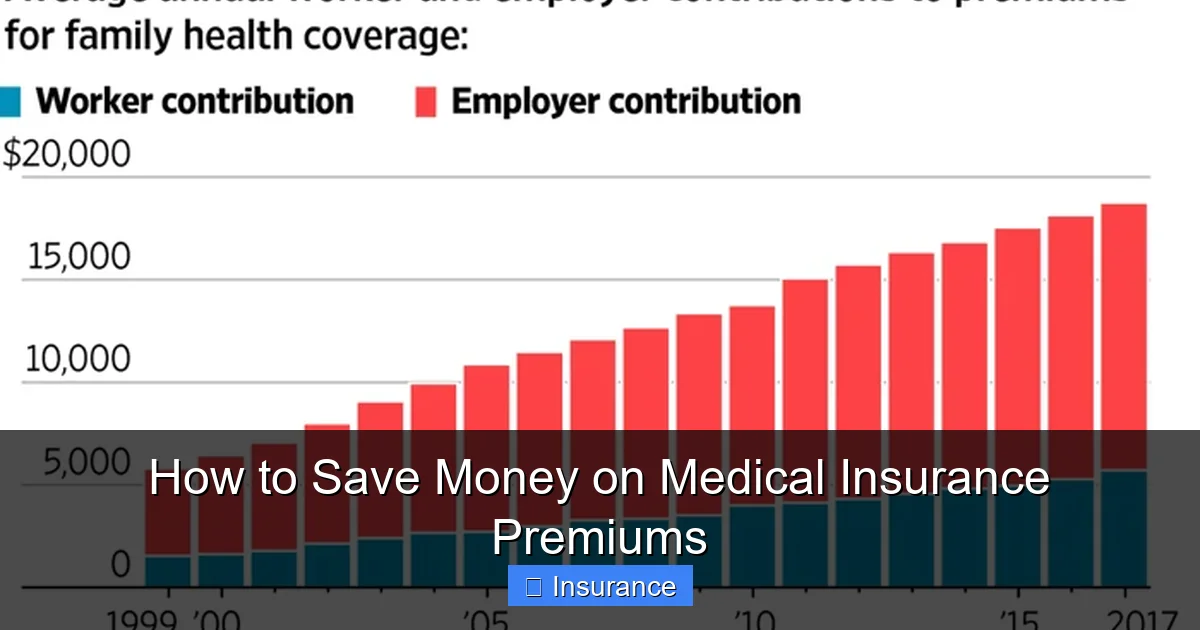
Visual guide about How to Save Money on Medical Insurance Premiums
Image source: mymoneyblog.com
If your income falls between 100% and 400% of the federal poverty level (about $14,580 to $58,320 for an individual in 2024), you may qualify for premium tax credits through the Affordable Care Act (ACA). These credits reduce your monthly premium, making coverage more affordable.
How Premium Tax Credits Work
These subsidies are applied automatically when you enroll through the marketplace. For example, if your Silver plan costs $500 per month but you qualify for a $200 credit, you’ll only pay $300. The credit is based on your expected annual income and family size.
Other Financial Assistance
Beyond premium credits, you may also qualify for:
- Cost-Sharing Reductions (CSRs): These lower your deductible, copays, and coinsurance if you choose a Silver plan and have income below 250% of the poverty level.
- Medicaid: If your income is below 138% of the poverty level, you may be eligible for free or low-cost coverage.
- CHIP: The Children’s Health Insurance Program provides low-cost coverage for children in families that earn too much for Medicaid.
Choose the Right Plan Type for Your Needs
Not all insurance plans are created equal. The four main plan types on the ACA marketplace are Bronze, Silver, Gold, and Platinum—each with different cost-sharing structures.
Bronze Plans: Low Premiums, High Out-of-Pocket Costs
Bronze plans have the lowest monthly premiums but the highest deductibles. They’re best for people who rarely visit the doctor and want to minimize monthly payments.
Example: A Bronze plan might cost $250/month with a $7,000 deductible. If you don’t need medical care this year, you save $1,800 compared to a Silver plan at $450/month.
Silver Plans: Balanced Cost and Coverage
Silver plans offer moderate premiums and are ideal for those who expect to use medical services regularly. They’re the only ones that qualify for cost-sharing reductions if you have low income.
Gold and Platinum Plans: Higher Premiums, Lower Out-of-Pocket Costs
These plans cost more per month but cover a larger share of your medical expenses once you meet the deductible. They’re best for people with chronic conditions or high medical needs.
Catastrophic Plans: For Young, Healthy Individuals
Available to people under 30 or those with hardship exemptions, catastrophic plans have very low premiums (around $150–$250/month) and protect against worst-case scenarios like serious illness or injury.
Use a Health Savings Account (HSA)
An HSA is a powerful tool for saving money on healthcare costs—especially if you have a high-deductible health plan (HDHP). An HSA allows you to set aside pre-tax money to pay for qualified medical expenses.
How HSAs Save You Money
- Your contributions are tax-deductible
- Your money grows tax-free
- Withdrawals for medical expenses are tax-free
- You can keep the balance at the end of the year (unlike FSAs)
For example, if you contribute $3,000 to your HSA and use it to cover a $2,500 deductible, you’ve effectively reduced your out-of-pocket cost by $3,000—and you still have $500 left for future expenses.
Many employers offer HSAs, or you can open one through a bank or financial institution.
Shop for In-Network Providers
One of the easiest ways to avoid surprise medical bills is to stay within your insurance network. Out-of-network care can cost 2–3 times more, even if it’s the same procedure.
How to Find In-Network Doctors
Log into your insurance provider’s website or app and use their provider directory. You can search by specialty, location, and even read reviews from other patients.
Always confirm with the provider’s office before scheduling an appointment. Sometimes clinics change networks, and you don’t want to find out after the fact.
Telehealth: A Cost-Saving Alternative
Many plans now include telehealth services, which allow you to consult a doctor from home for minor issues like cold symptoms or rashes. These visits often cost $0–$50, compared to $100+ for an in-person visit.
Bundle Insurance Policies
If you have multiple insurance needs—like auto, home, or renters insurance—bundling them with the same provider can lead to big savings. Most insurers offer a multi-policy discount, which can reduce your total premiums by 10–25%.
For example, if you pay $1,200/year for auto insurance and $800/year for renters insurance separately, bundling might bring the total down to $1,800/year—a $200 savings.
Tips for Bundling
- Call your current insurer and ask about multi-policy discounts
- Compare bundled rates with competitors to ensure you’re getting the best deal
- Make sure the health plan is still affordable even with the bundle discount
Maintain a Healthy Lifestyle
While not a direct way to lower premiums, staying healthy can reduce your need for medical care—and thus your out-of-pocket spending. Many insurers offer wellness programs, discounts on gym memberships, or premium reductions for completing health assessments.
Wellness Programs and Incentives
Some plans offer:
- Free health screenings
- Smoking cessation programs
- Weight management support
- Fitness tracker discounts
Participating can help you avoid chronic conditions like diabetes or heart disease, which are expensive to treat.
Review Your Coverage Annually
Your life changes—your income, family size, health needs—and so should your insurance. Review your plan every year during open enrollment to ensure it still fits your situation.
Ask These Questions
- Is my deductible still reasonable?
- Are my preferred doctors still in-network?
- Are my medications covered?
- Has my income changed, affecting subsidy eligibility?
If your income dropped, you might qualify for more subsidies. If it increased, you might need to pay back some credits—but the marketplace will notify you.
Conclusion
Saving money on medical insurance premiums doesn’t mean skimping on coverage. With smart planning, you can reduce your monthly payments, access financial assistance, and still protect your health. Whether you’re comparing plans, applying for subsidies, or opening an HSA, small steps lead to big savings over time.
Remember: the best plan is the one that balances cost, coverage, and convenience for your unique situation. Take control of your healthcare spending—start by reviewing your options this open enrollment season.
Frequently Asked Questions
Can I change my medical insurance plan anytime?
No, you can only change plans during open enrollment (usually November–January) or after a qualifying life event like job loss or marriage. Outside these periods, you generally can’t switch unless you qualify for a special enrollment period.
What’s the difference between a deductible and a premium?
A premium is your monthly payment for insurance coverage. A deductible is the amount you pay out-of-pocket for medical services before your insurance starts covering costs. You pay the premium every month, but the deductible applies when you actually use care.
Are short-term health plans a good option?
Short-term plans are cheaper but offer limited coverage and don’t meet ACA standards. They’re best for healthy individuals who want temporary coverage or qualify for an exemption. However, they often exclude pre-existing conditions and preventive care.
How do I know if I qualify for Medicaid?
You can check your eligibility through your state’s Medicaid website or the Healthcare.gov marketplace. Eligibility is based on income, household size, disability status, and other factors. Many states expanded Medicaid, making it available to more low-income adults.
Can I use my HSA to pay for a gym membership?
Only if the gym is part of a qualified wellness program tied to a chronic condition or preventive care goal. Routine gym memberships are generally not eligible unless prescribed by a doctor for medical reasons.
What happens if I don’t pay my insurance premium?
If you miss a premium payment, your coverage may lapse after a grace period (usually 30–90 days, depending on the plan). Once canceled, you may face a waiting period before re-enrolling and could be charged a higher rate due to being out of coverage.


